4 October 2026
Damp in Welsh climates: why our weather changes the diagnosis
Wales gets more than its share of rain — and many of our homes were built long before modern damp-proofing. Here is why diagnosing damp in Welsh homes starts with the building, not a meter.
Wales is one of the wettest corners of Britain. From the exposed Pembrokeshire coast to the terraced streets of the south Wales valleys, our homes take a beating from wind-driven rain, high humidity and long, damp winters. That weather is exactly why damp problems here need more careful diagnosis than a quick meter reading can give.
Wind-driven rain, not just rising damp
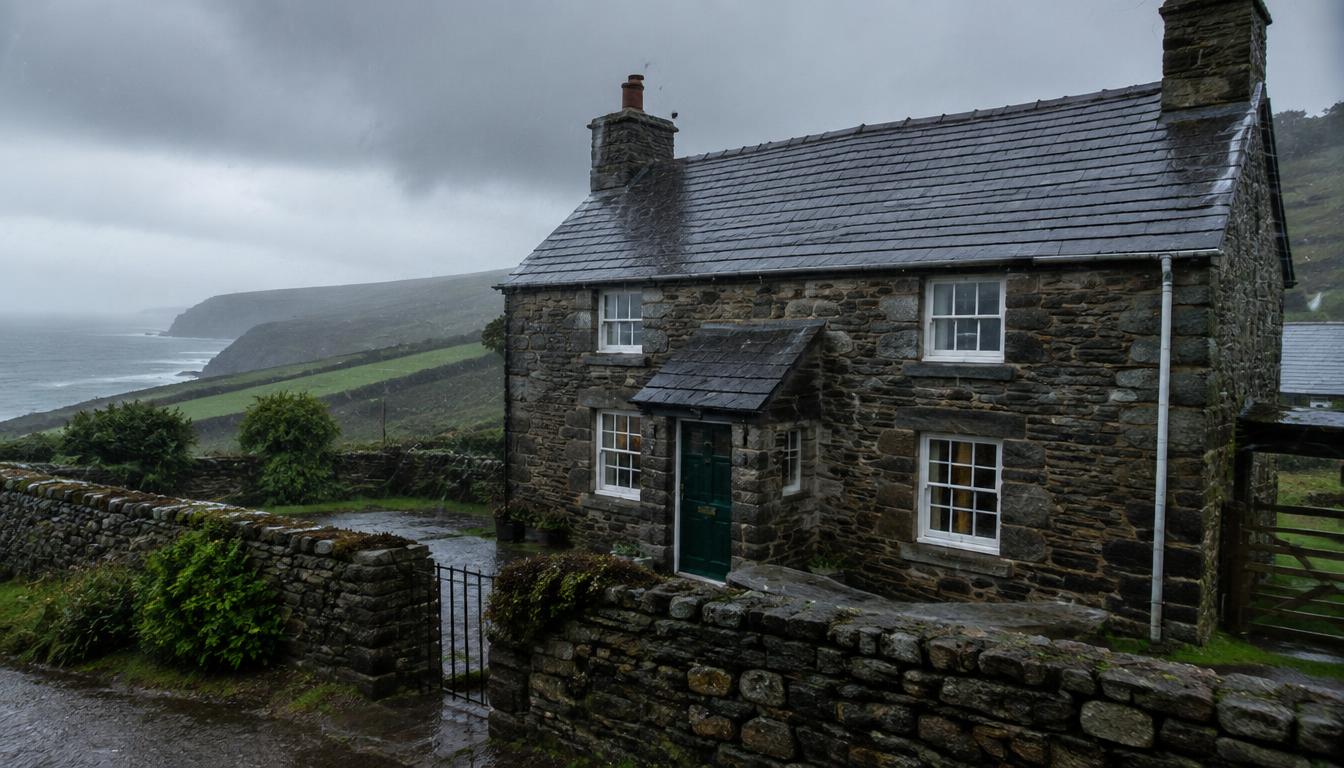
Many Welsh homes are diagnosed with "rising damp" when the real culprit is penetrating damp driven horizontally by strong coastal and valley winds. Rain is forced into hairline cracks in render, around window openings, through porous stone and behind poorly detailed flashings. Once inside a solid wall, moisture can sit for weeks — long enough for mould, staining and timber decay to develop.
A wall that reads "damp" at low level is not automatically rising damp. It may be a blocked gutter, a cracked downpipe, a flower bed built above the damp-proof course, or rain splash against an unprotected wall base.
Old walls need to breathe
A large share of Welsh housing — stone cottages, Georgian and Victorian townhouses, chapels and farm buildings — was built with solid walls and lime-based mortars and plasters. These walls are designed to absorb moisture and release it again. Cement render, gypsum plaster and impermeable paints interrupt that cycle and trap moisture inside the wall.
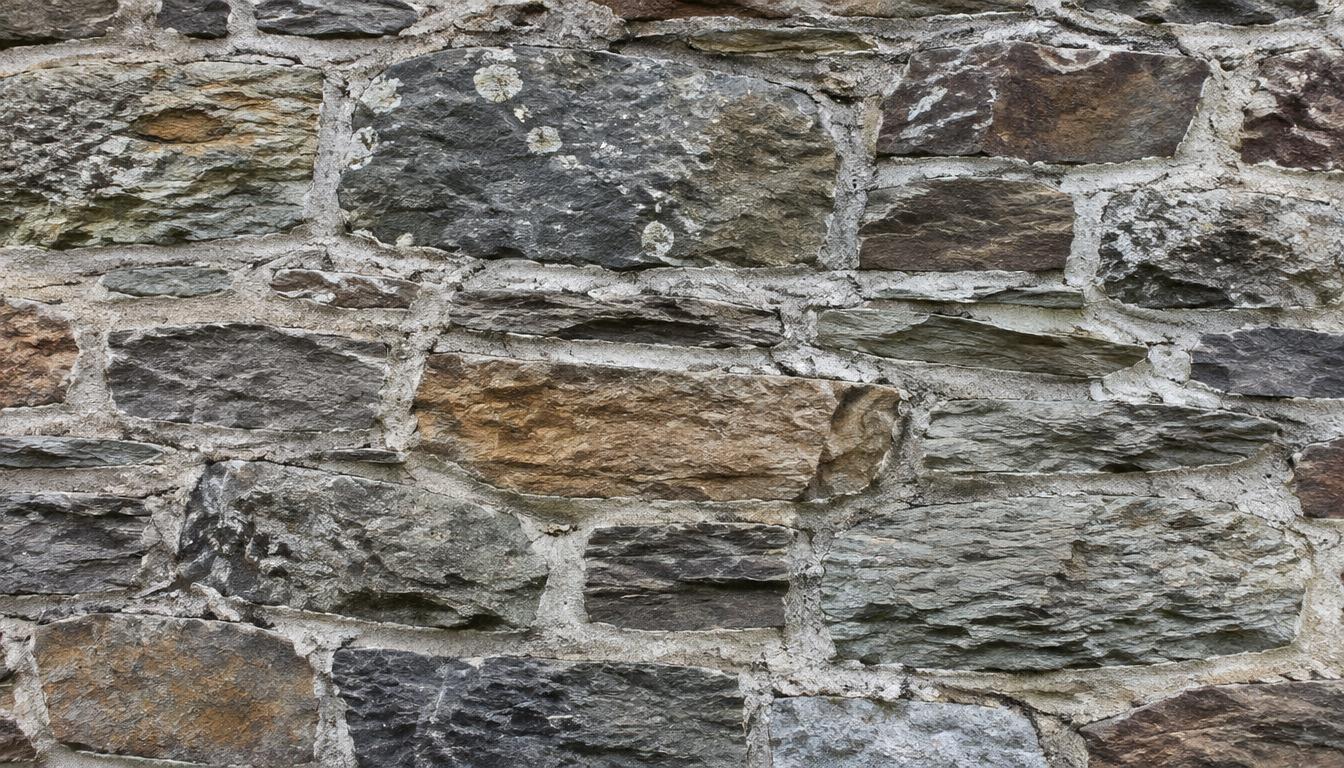
When we survey an older property we look at how the wall was meant to work: ground levels, ventilation, drainage, renders and pointing. Often the correct fix is a breathable repair — not a chemical injection cream that seals moisture in and shifts the problem elsewhere.
Condensation: the most misdiagnosed cause
Modern living generates a surprising amount of moisture: cooking, showers, drying laundry, and heating turned up intermittently against a cold climate. In homes with limited ventilation — especially sealed-up period properties and flat conversions — that moisture condenses on cold surfaces: wall corners, behind furniture, in bedrooms and bathrooms.
Condensation is frequently mislabelled as rising damp, which leads to expensive and unnecessary damp-proofing work. A proper survey uses thermo-hygrometer readings across rooms to establish where the moisture is actually coming from.
Timber follows moisture
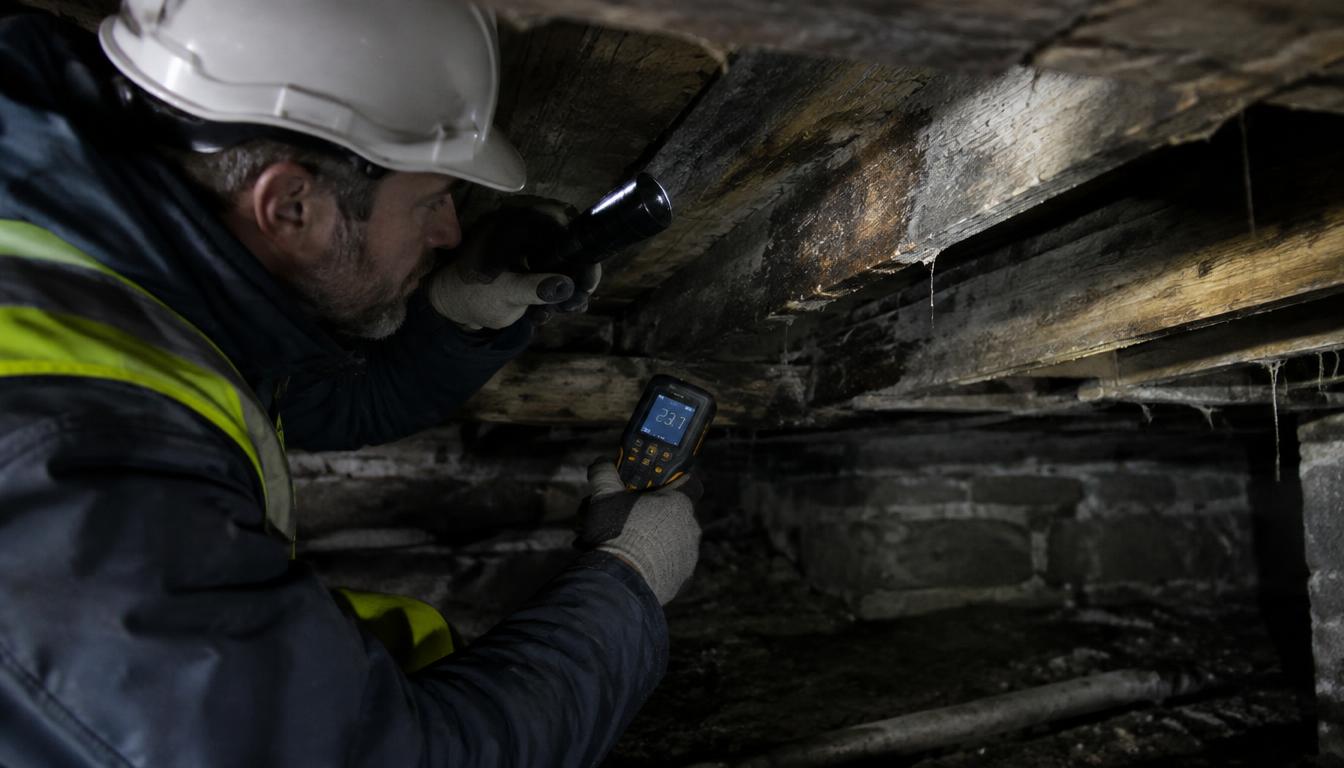
Wet rot, dry rot and wood-boring beetle all depend on moisture. In Welsh homes we most often find problems in sub-floor voids with poor ventilation, roof timbers around failed coverings, and junctions where rain has been finding its way in for years. Dry rot in particular can travel through masonry well away from the visible leak, so the source must be found — not just the symptom.
What an honest survey looks like
- A full internal and external inspection, not ten minutes with a meter
- Calibrated moisture meter readings combined with thermal and humidity data
- An explanation of the root cause in plain English: condensation, penetrating damp, bridged damp-proofing, failed rainwater goods, poor sub-floor ventilation or timber decay
- A written report with photographs that you can hand to a builder, insurer or solicitor
The TrueCheck promise
TrueCheck is fully independent: we do not sell damp-proofing, timber treatment or any remedial work, so our advice is never a sales pitch. Every survey is a fixed fee of £295, covering Swansea, Neath, Merthyr Tydfil, Carmarthen, Ammanford, Llandeilo, Narberth, Haverfordwest and the surrounding towns and villages of South and West Wales.
If you would like an independent opinion on damp or timber in your home, book a survey online or call us on 07833 664917.